If the Walls Could Talk Podcast™

A struggling Chicago hospital did just about anything to admit patients. During the ’90s and 2000s, Edgewater Hospital performed hundreds of unnecessary heart surgeries on patients just to pad its bottom line. Multiple patients died. Hear what lengths the government went in order to stop the fraud and why many believe the owner got away with it. Former employees, patients, investigators, and urban explorers recount the tangled history of what happened within the walls of Chicago’s Edgewater Hospital.
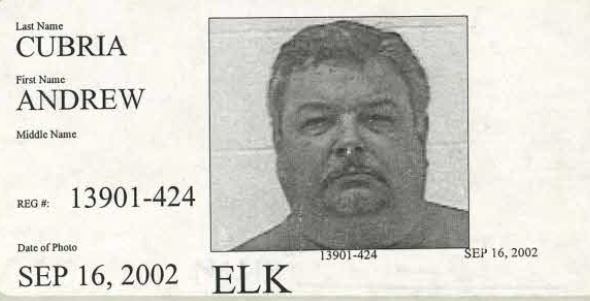
One Edgewater Cardiologist performed hundreds of invasive procedures on patients who didn’t need them. Two of those patients died. Learn the tragic story of Dr. Andrew Cubria and the shocking way he tried to cover up what he did.
See pictures of Dr. Cubria and learn more about the “heartless heart doctor” on the episode page of our website: IftheWallsCouldTalkPodcast.com
Unlock hours of bonus interviews, stories and behind-the-scenes content by supporting us on Patreon.
Additional photos are on Instagram and our Facebook Group.
————————————–
This episode was written and produced by Todd Ganz.
Additional content available on Patreon: https://www.patreon.com/ifthewallscouldtalkpodcast
See omnystudio.com/listener for privacy information.

Every day, dozens of patients were ending up in the hands Edgewater Hospital’s Cardiologist, Andrew Cubria — but why? Episode 4 of If the Walls Could Talk Podcast™: “Dr. Andrew Cubria: An Immediate Danger” brings the FBI’s investigation of Edgewater Hospital to the hospital’s infamous cardiac cath lab.
Since so many patients of Dr. Cubria’s were having invasive heart procedures, it triggered an audit. The results of that audit revealed that Dr. Cubria was performing an inordinate amount of invasive procedures — like angioplasties and cardiac catheterizations — that were coming back with “normal” results. The feds believed those procedures were being done simply to ring up patients’ medical bills. Nurses shared how they saw Dr. Cubria strongarm patients into having these procedures — even if it put the patient in harm’s way. Was it greed, Cubria’s need for money or ghosts from his past that caused him to do this? His former colleagues weigh in and share how the career of a once promising doctor went sideways.
Things went from bad to worse when the FBI identified two patients who died as a result of Dr. Cubria’s unscrupulous actions. Even more galling? Dr. Cubria attempted to destroy evidence. You’ll hear from the hospital’s Risk Manager who recounts the tragic day when one of those patients died. She’ll share what she believes Dr. Cubria actually did with the evidence and what happened when she reported her concern to management. Years before there was “Dr. Death“, there was Dr. Andrew Cubria.
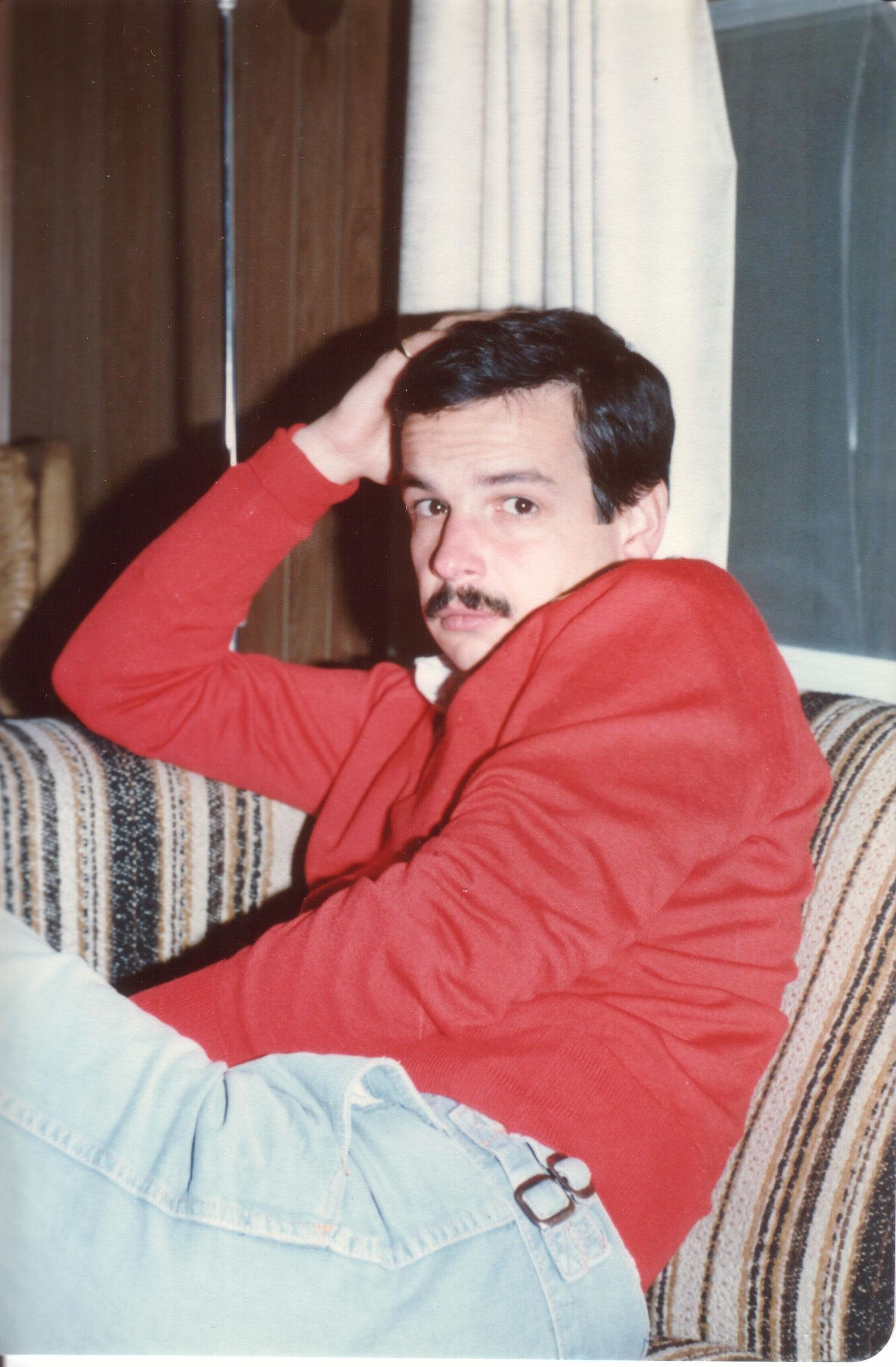
Dr. Andrew Cubria is a tragic story of a successful and promising young doctor. He grew up a few blocks from Edgewater Hospital and said it was the place he dreamed of working. After graduating from medical school and becoming the youngest Board Certified Cardiologist in the state of Illinois, Cubria fulfilled that dream in 1979. That’s when Dr. Mazel hired Dr. Cubria to work at Edgewater Hospital…but things quickly soured.
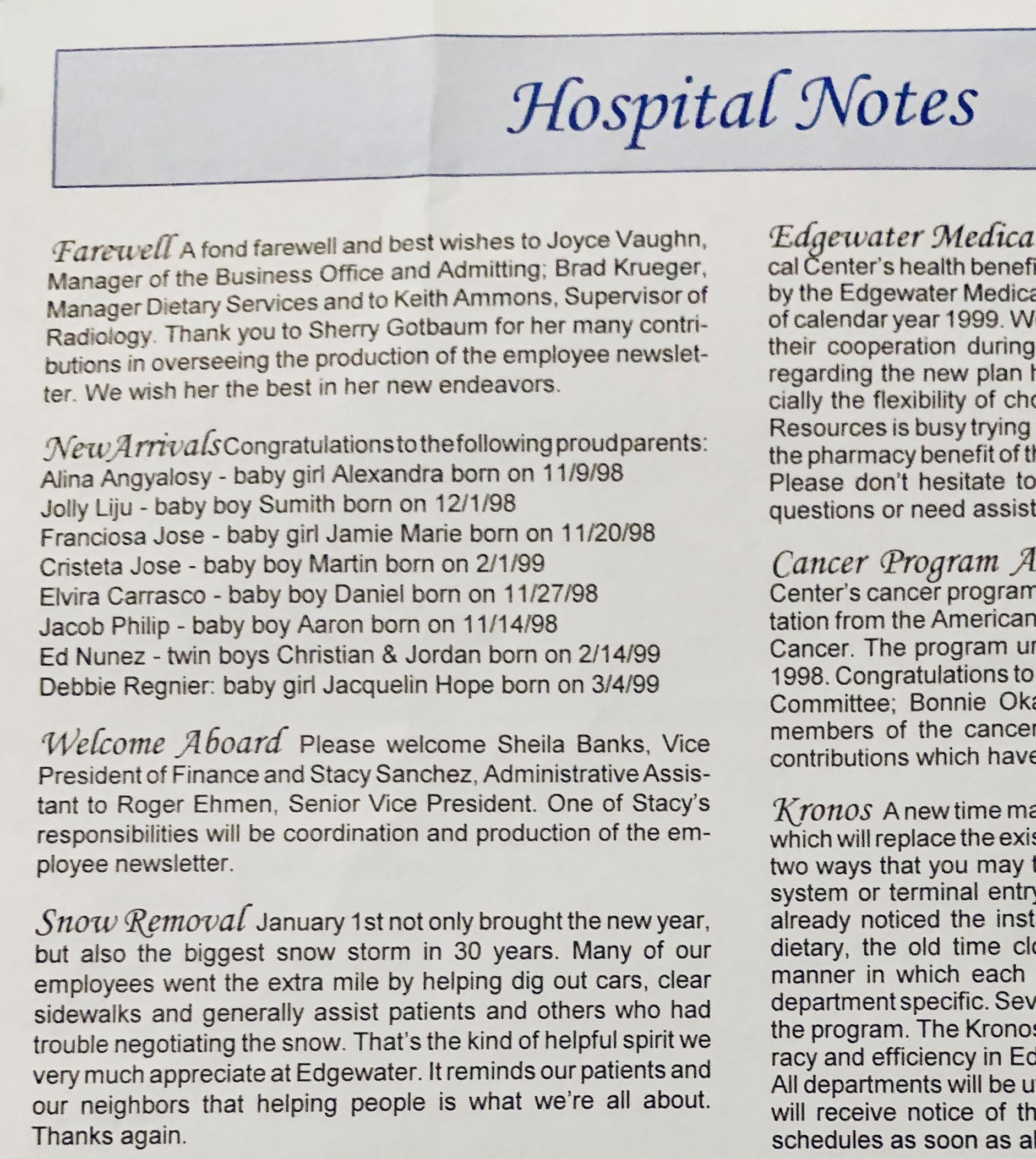
Another Edgewater Hospital Cardiologist entered the FBI’s radar: Dr. Sriram (who went by “Dr. Kris”). This doctor claimed to treat an inordinate amount of patients — including 32 that were actually dead. Some years, he claimed to work 365 days…even during a blizzard that crippled Chicago in 1999. Hear the superhuman feats of Dr. Sriram and why the feds labeled him “a mortal threat”.
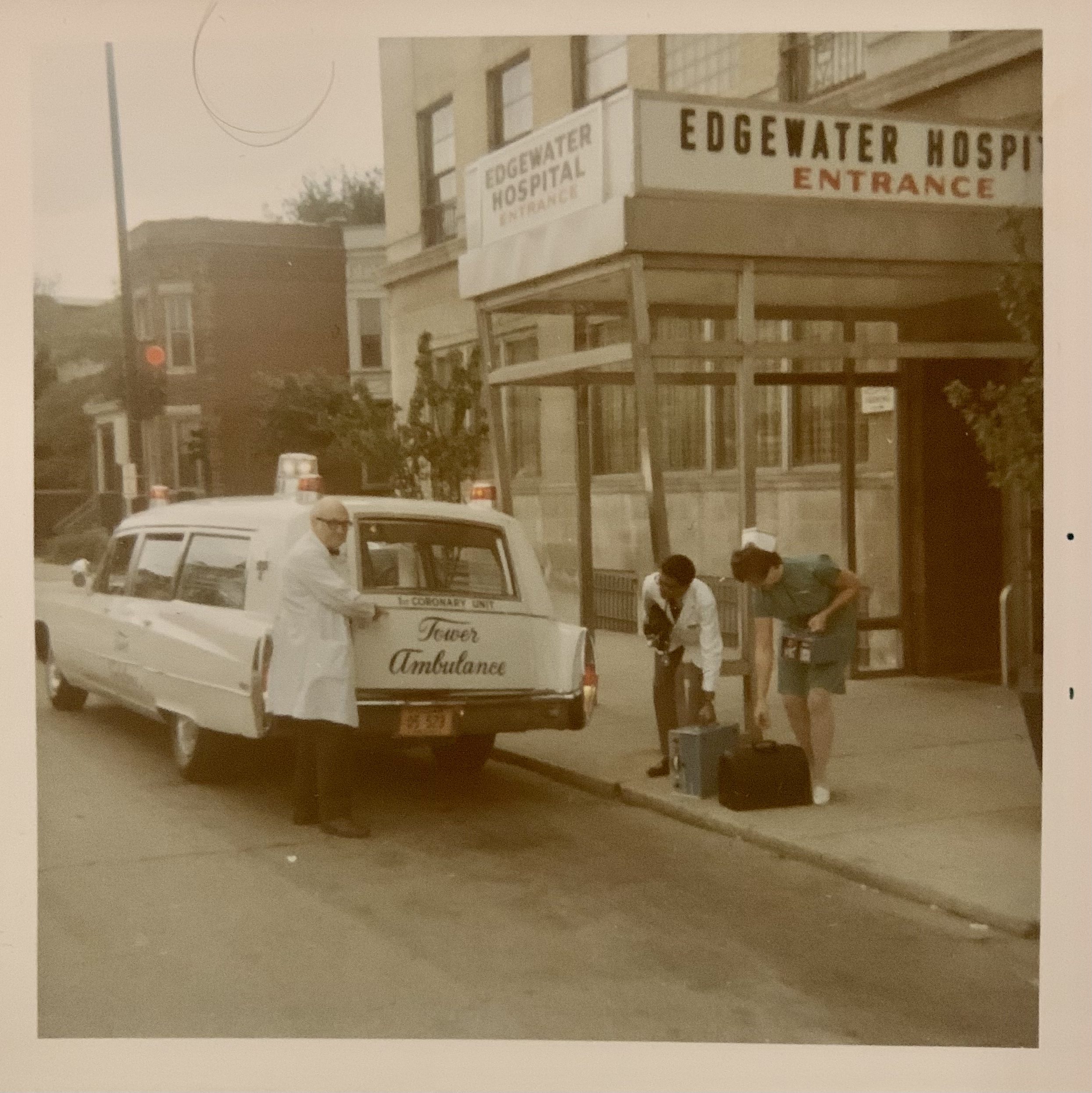
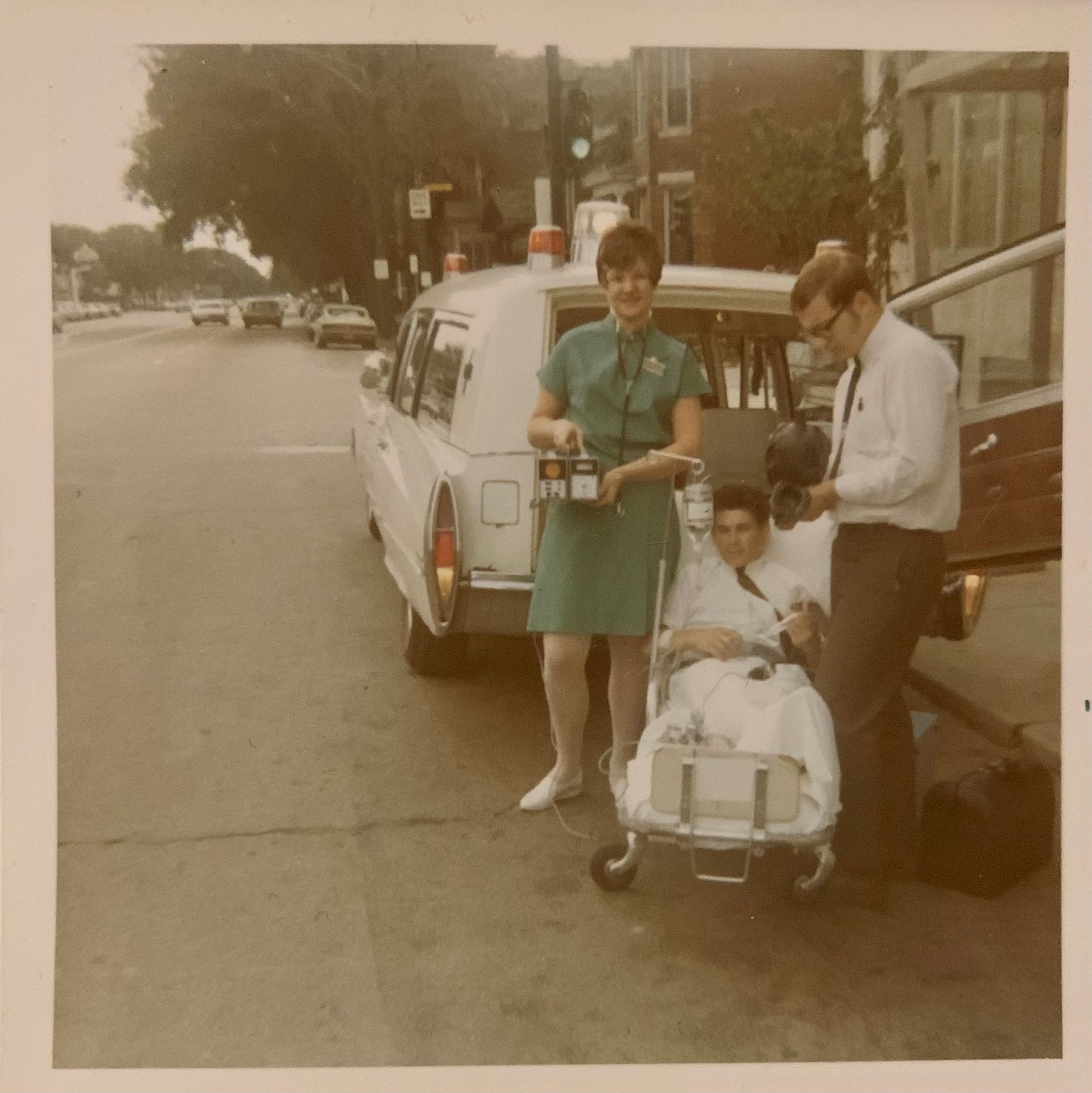
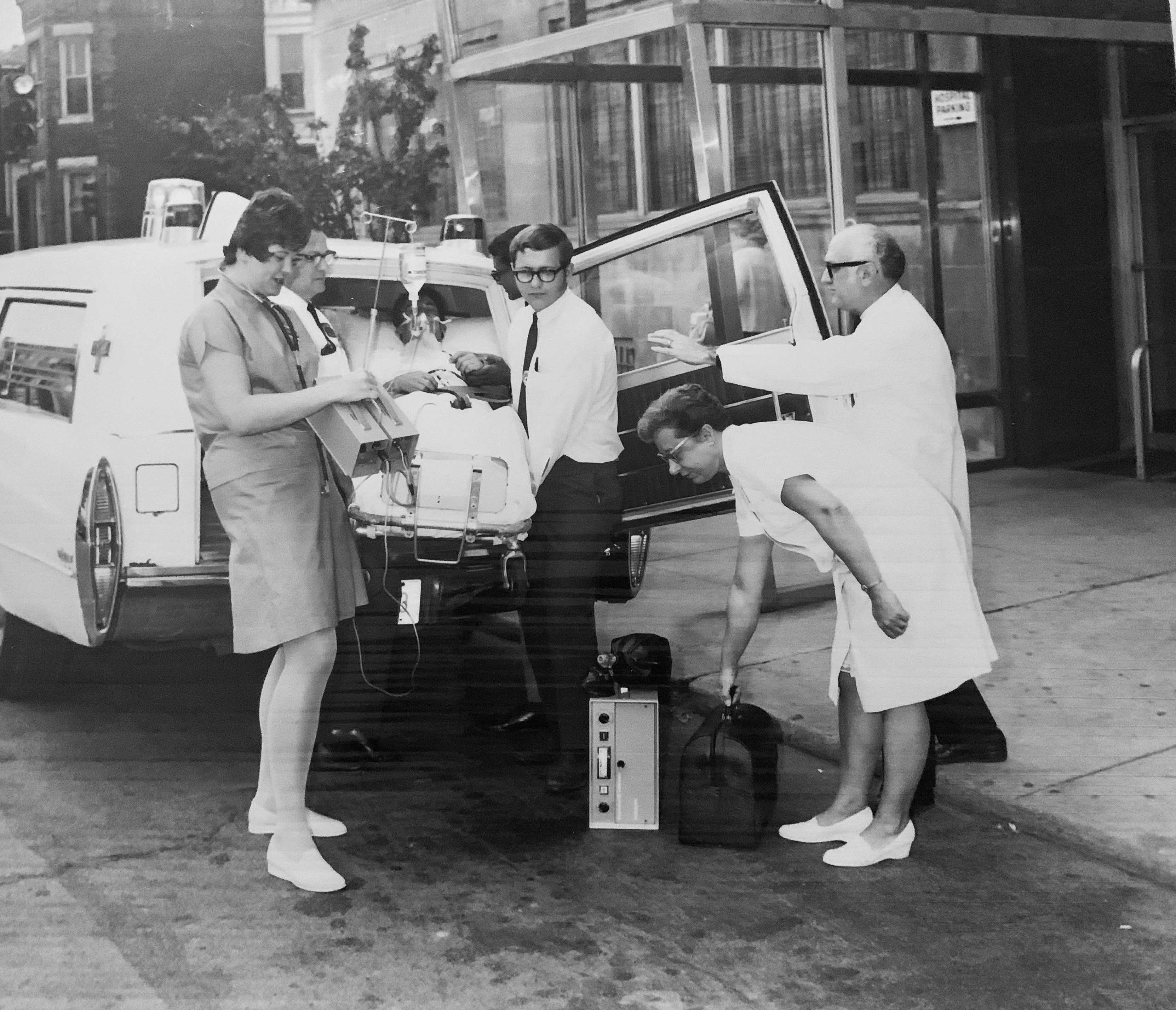
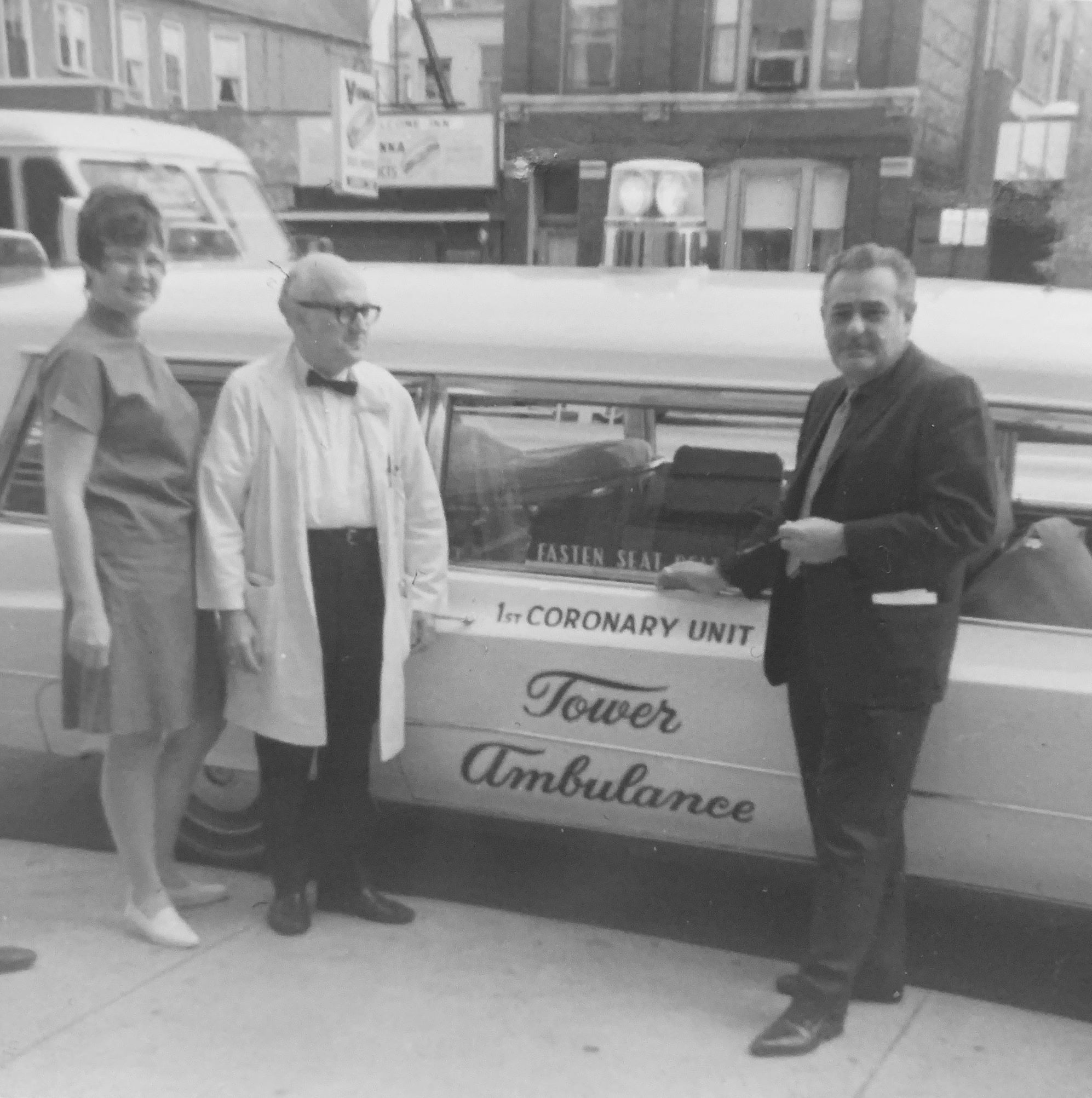
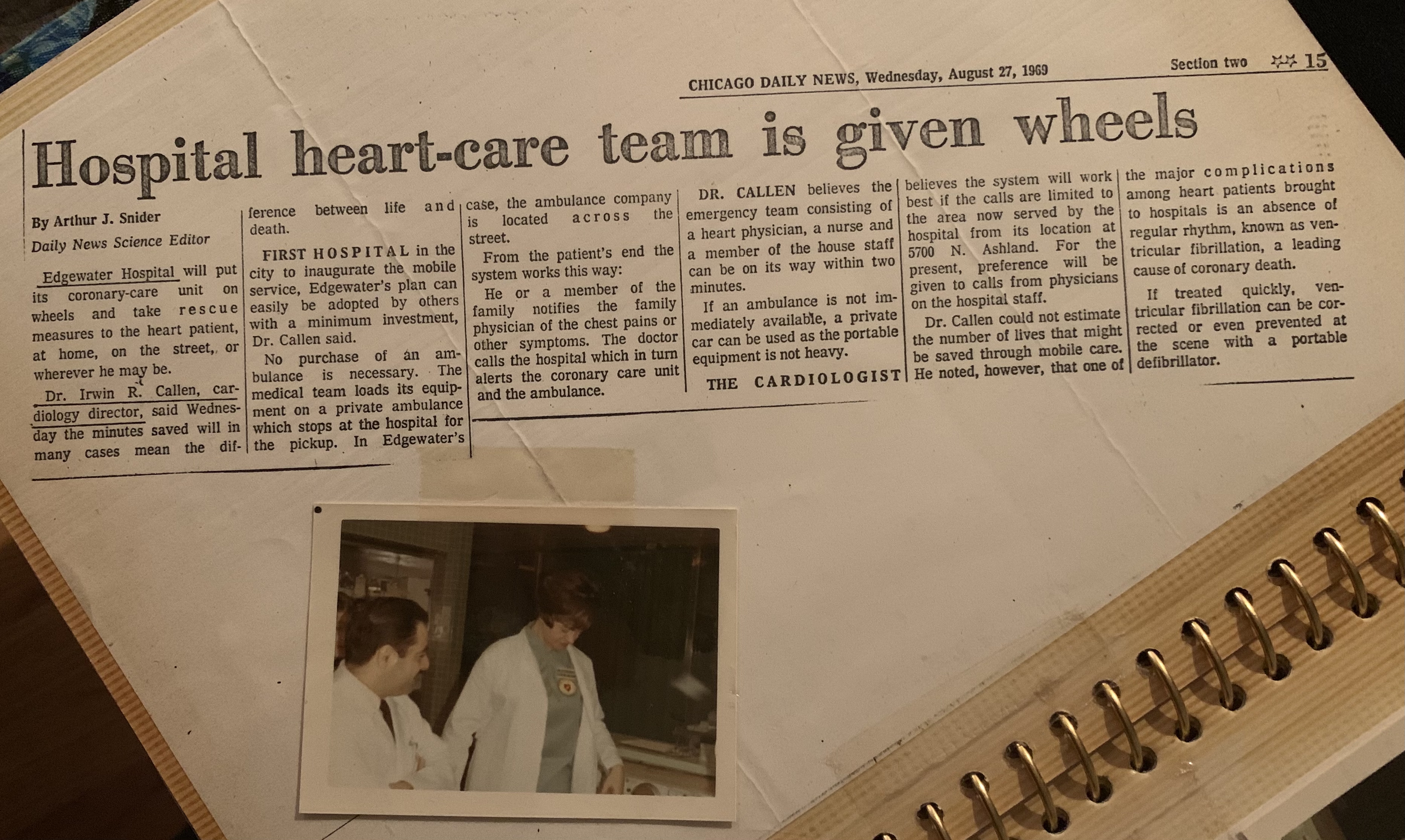
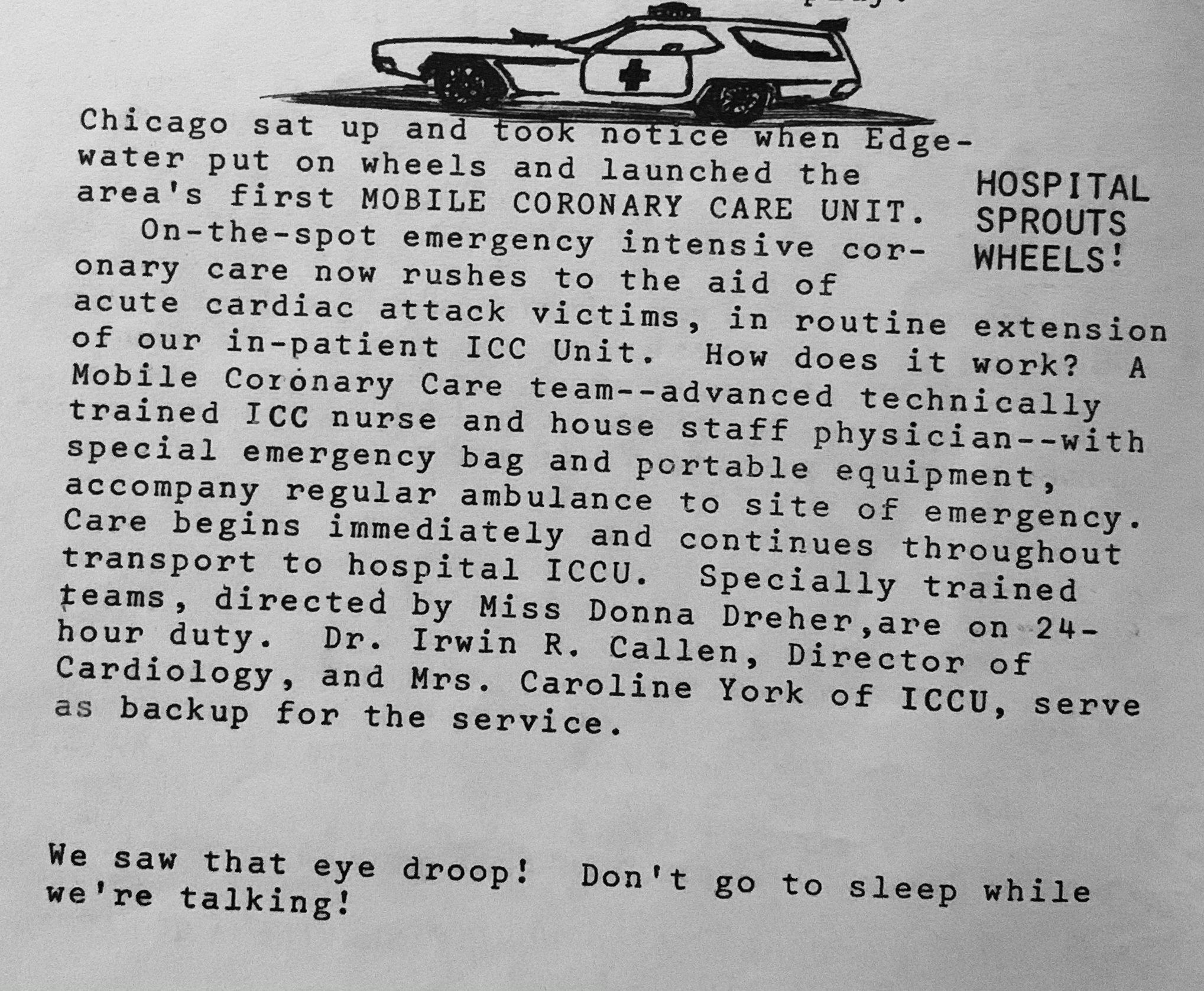
Edgewater Hospital was once the leading hospital for cardiac care in Chicago. Dr. Mazel developed a lifesaving blood clot dissolving drug, a specialty ambulance for heart attack victims and even pioneered a form of open-heart surgery that is still used today. Those advances in medicine are overshadowed but what happened in the 1990s and 2000s. And you’ll never believe what happened when the good doctors and nurses spoke up against the bad docs…and how hospital management responded.
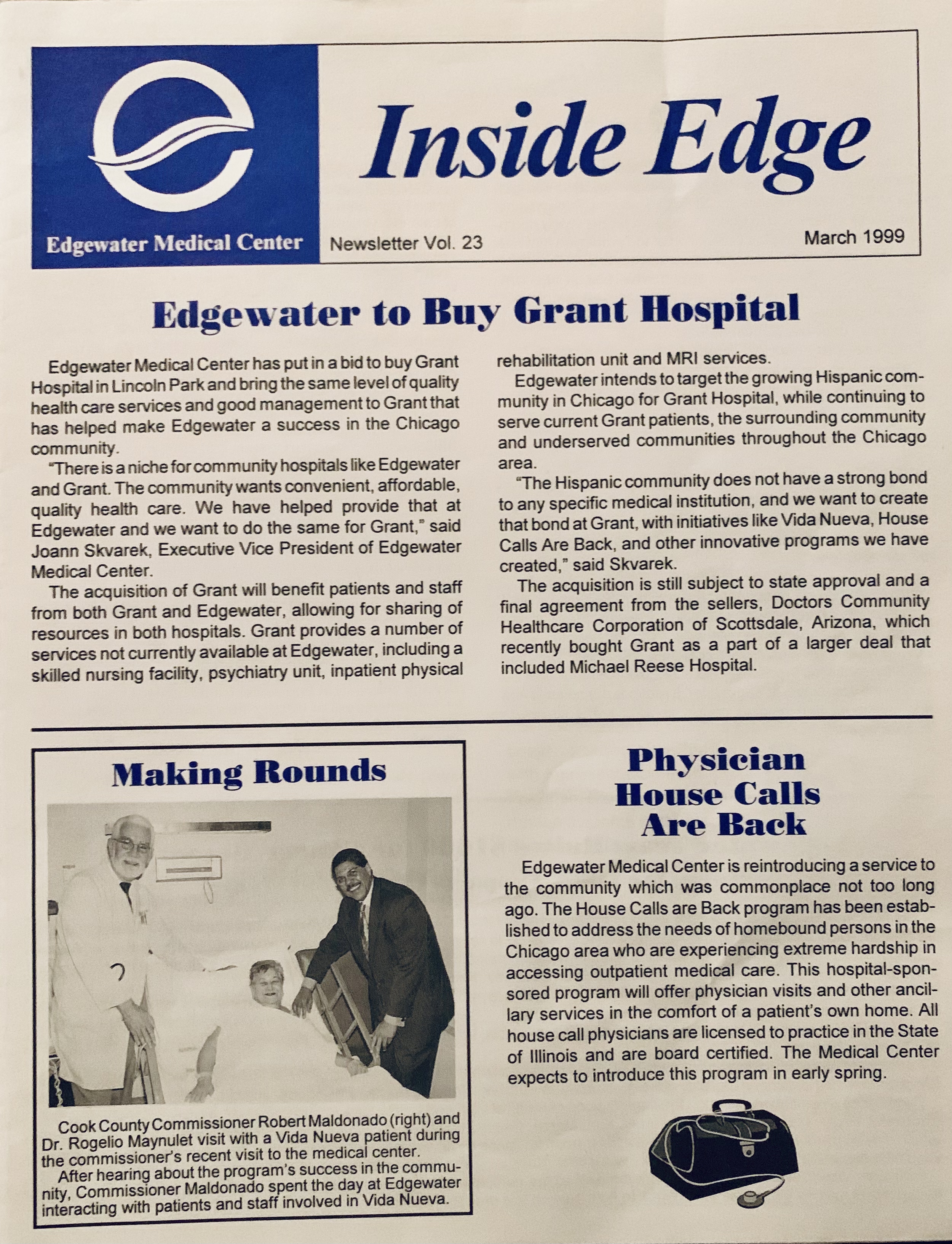
Buried among all these investigations into Edgewater, Dr. Cubria and other crooked doctors, the ownership group of Edgewater Hospital managed to purchase another hospital! In 1999, it acquired Grant Hospital — a struggling medical facility located in Chicago’s upscale Lincoln Park neighborhood.
Episode 4: “Dr. Andrew Cubria: An Immediate Danger” is a snapshot into the egregious healthcare fraud that happened at Chicago’s Edgewater Hospital during the 1990s.

If the Walls Could Talk Podcast™
Support us on PATREON and unlock bonus content like our weekly “Second Opinion” episode.
Hear more about Dr. Cubria and how he came to the United States in the 1960s as part of a covert program called Operation Peter Pan. We’ll discuss how the program came about and how the US managed to pull it off.
During their investigation, the FBI interviewed dozens of Edgewater Hospital employees. Find out what went through their heads when they received a phone call that said: “This is the FBI calling. We’d like to talk with you about Edgewater Hospital.” You’ll hear why one person said, “What took so long?” and from another who actually hung up on them.
Gain access bonus stories, interviews and behind-the-scenes content by supporting us on Patreon. You’ll also gain access to our weekly “Second Opinion” episodes. Thank you for supporting If the Walls Could Talk Podcast™!
The entire series of If the Walls Could Talk Podcast™ is now available. You can also support our independently-produced series by leaving us a review on Apple Podcasts or Spotify. A 5-star review goes a long way in helping others find the show.
-

- A look at Chicago’s first real ambulance — Edgewater Hospital’s Mobile CCU Unit (Credit: Donna Jarvis)
-
- Edgewater was the first hospital to have their own Mobile CCU unit for heart attck patients (Credit: Donna Jarvis)
-
- Edgewater was the first hospital to have their own Mobile CCU unit for heart attck patients (Credit: Donna Jarvis)
-
- Coronary Care Unit (Credit: Donna Jarvis)
-
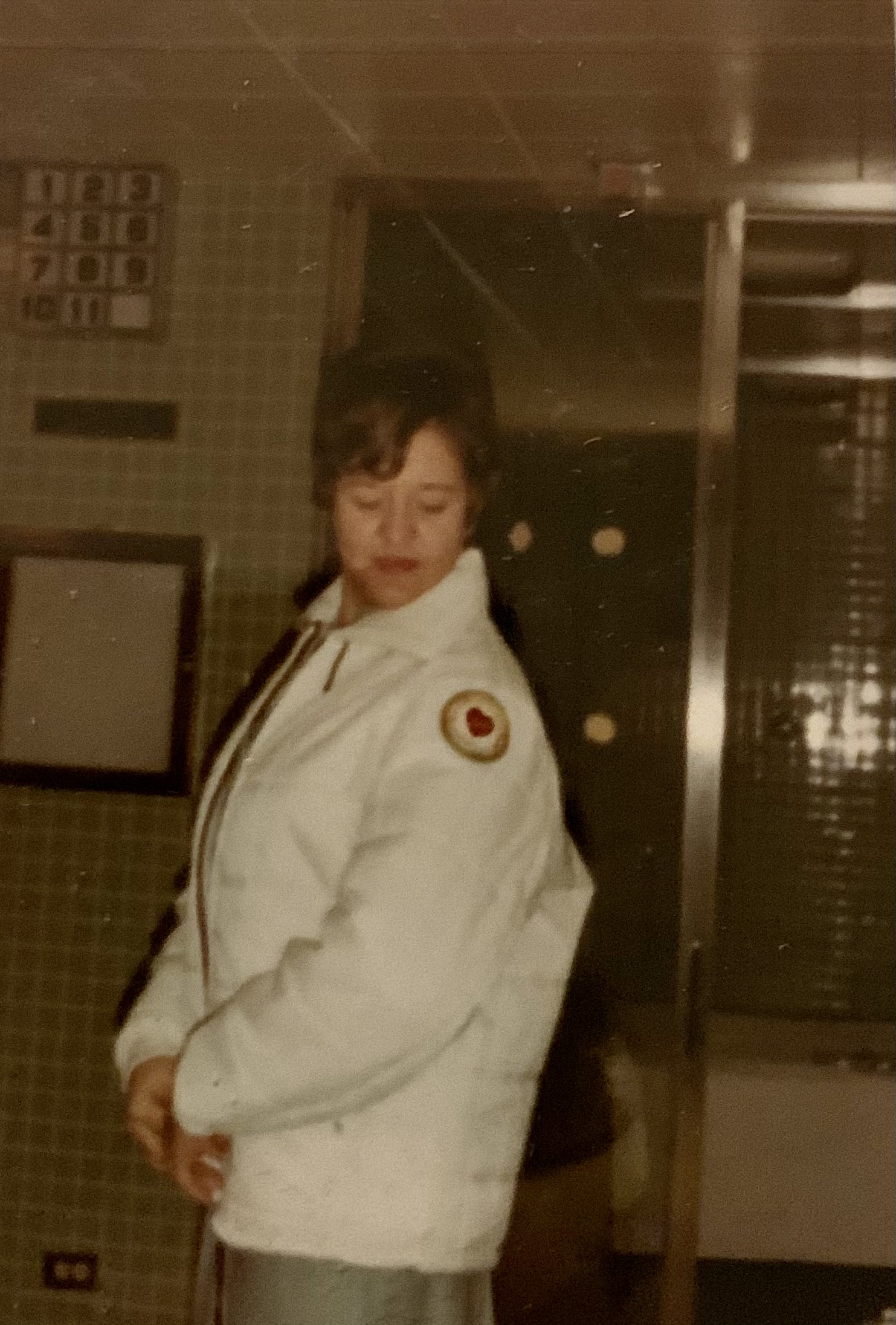
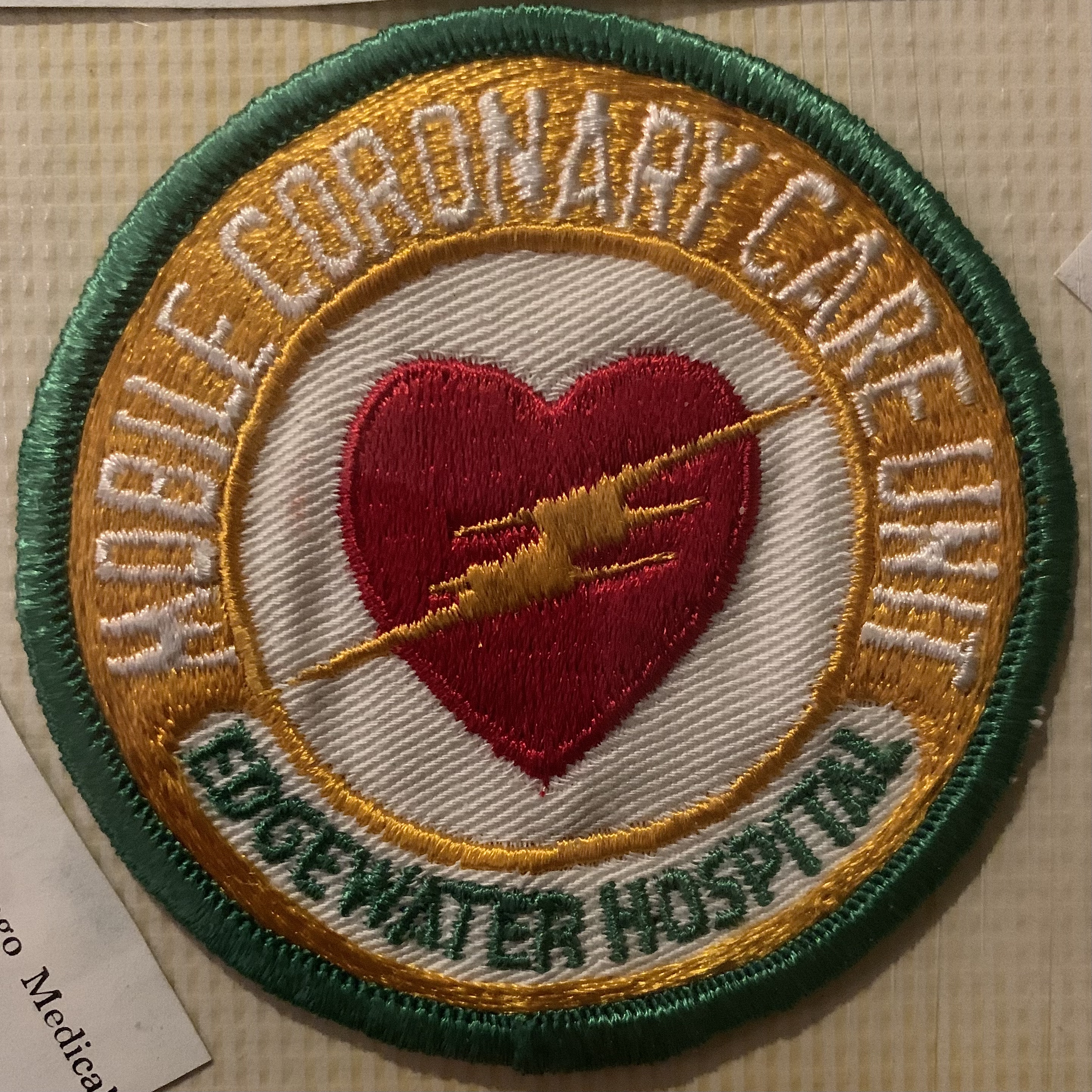
- Edgewater nurses proudly wore this patch in the Mobile CCU (Credit: Donna Jarvis)
-
- Edgewater nurses proudly wore this patch in the Mobile CCU (Credit: Donna Jarvis)
-
- Edgewater was the first hospital to have their own Mobile CCU unit for heart attck patients (Credit: Donna Jarvis)
-
- Inside Edge article about the Mobile CCU (Credit: Donna Jarvis)
-
- Edgewater’s Cardiologist Andrew Cubria
-
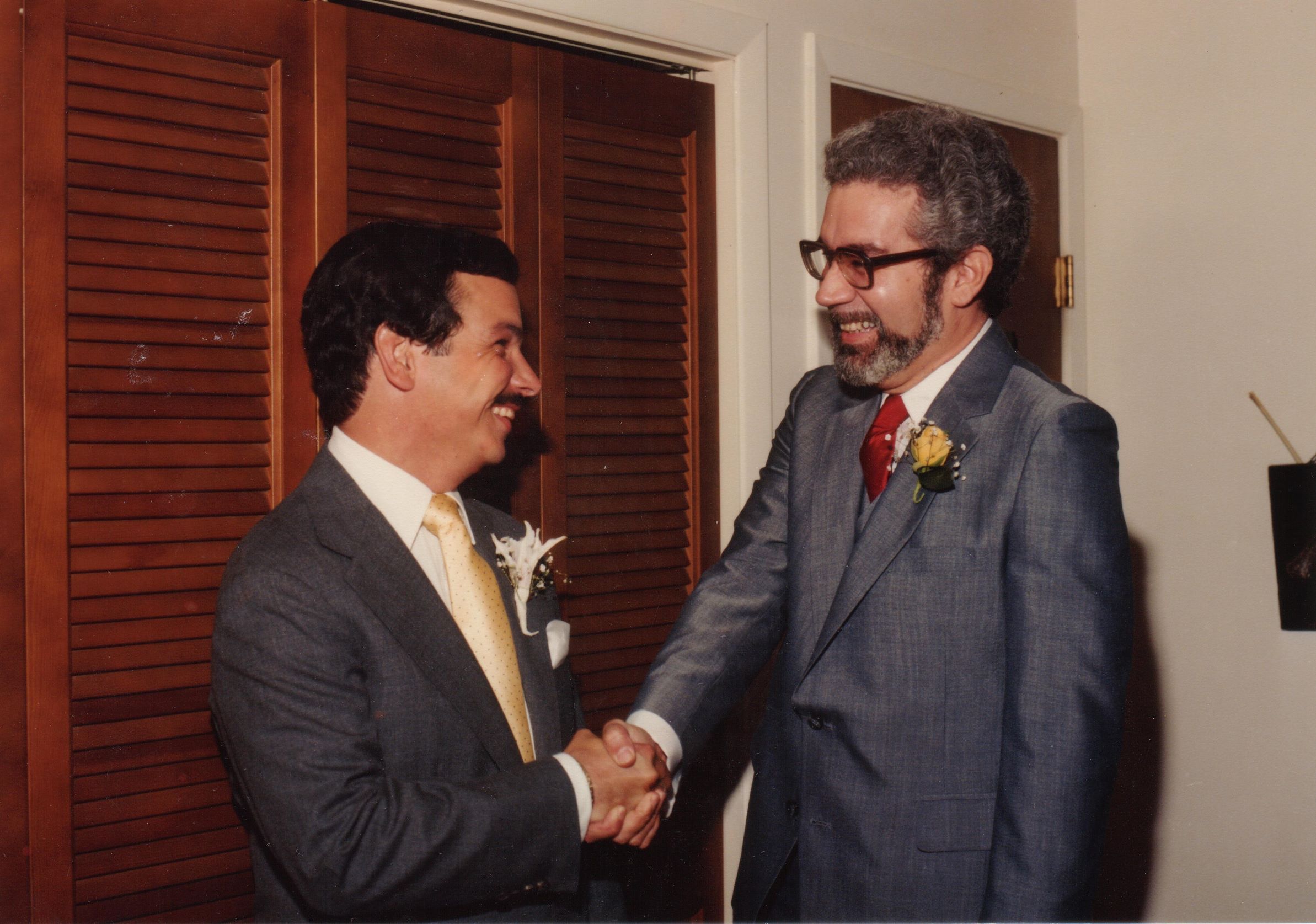
- Edgewater’s Cardiologist Andrew Cubria (left) with Dr. Maynulet (right)
-
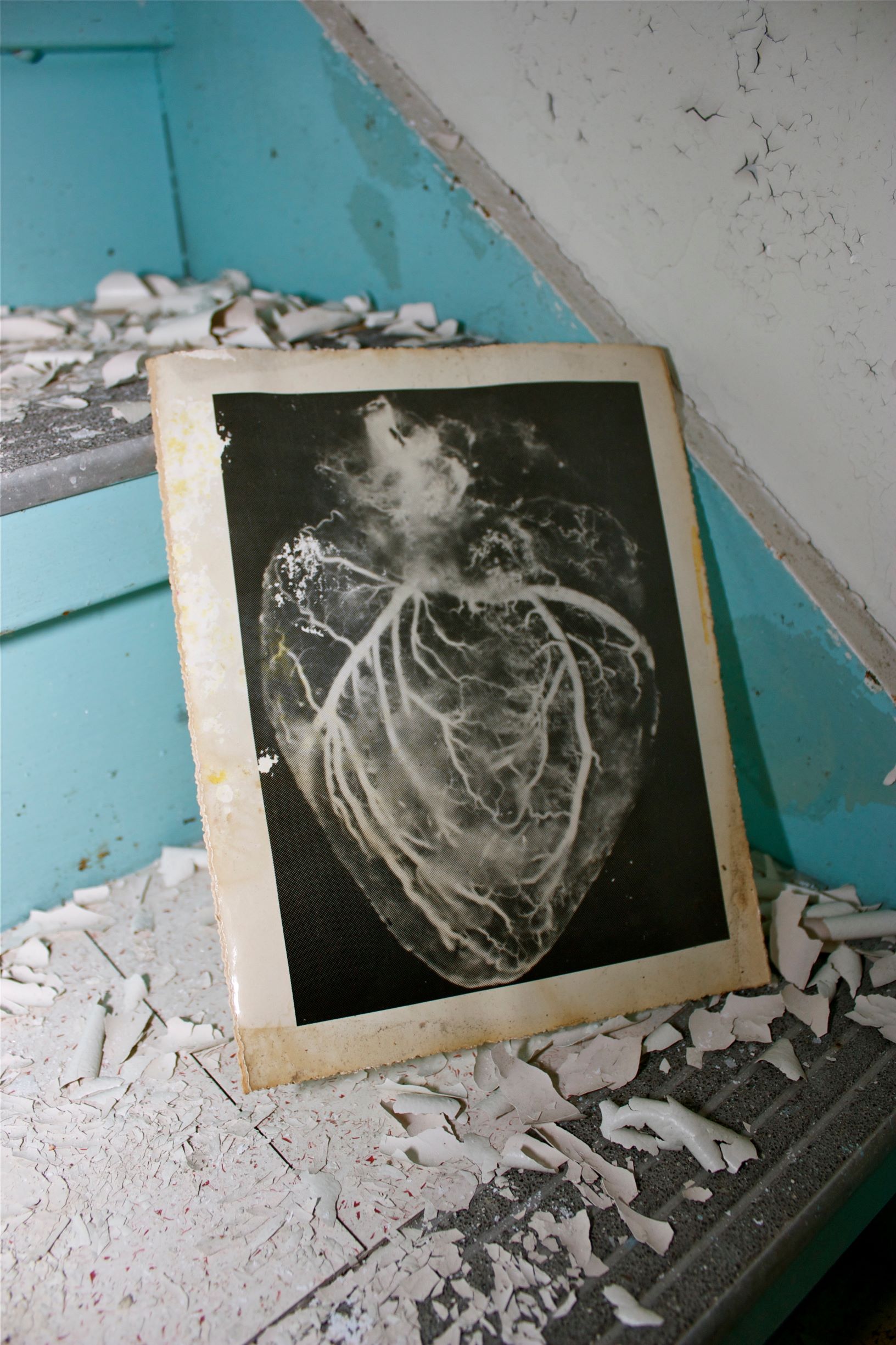
- Abandoned Heart Photo (Source: Ken Fager)
-
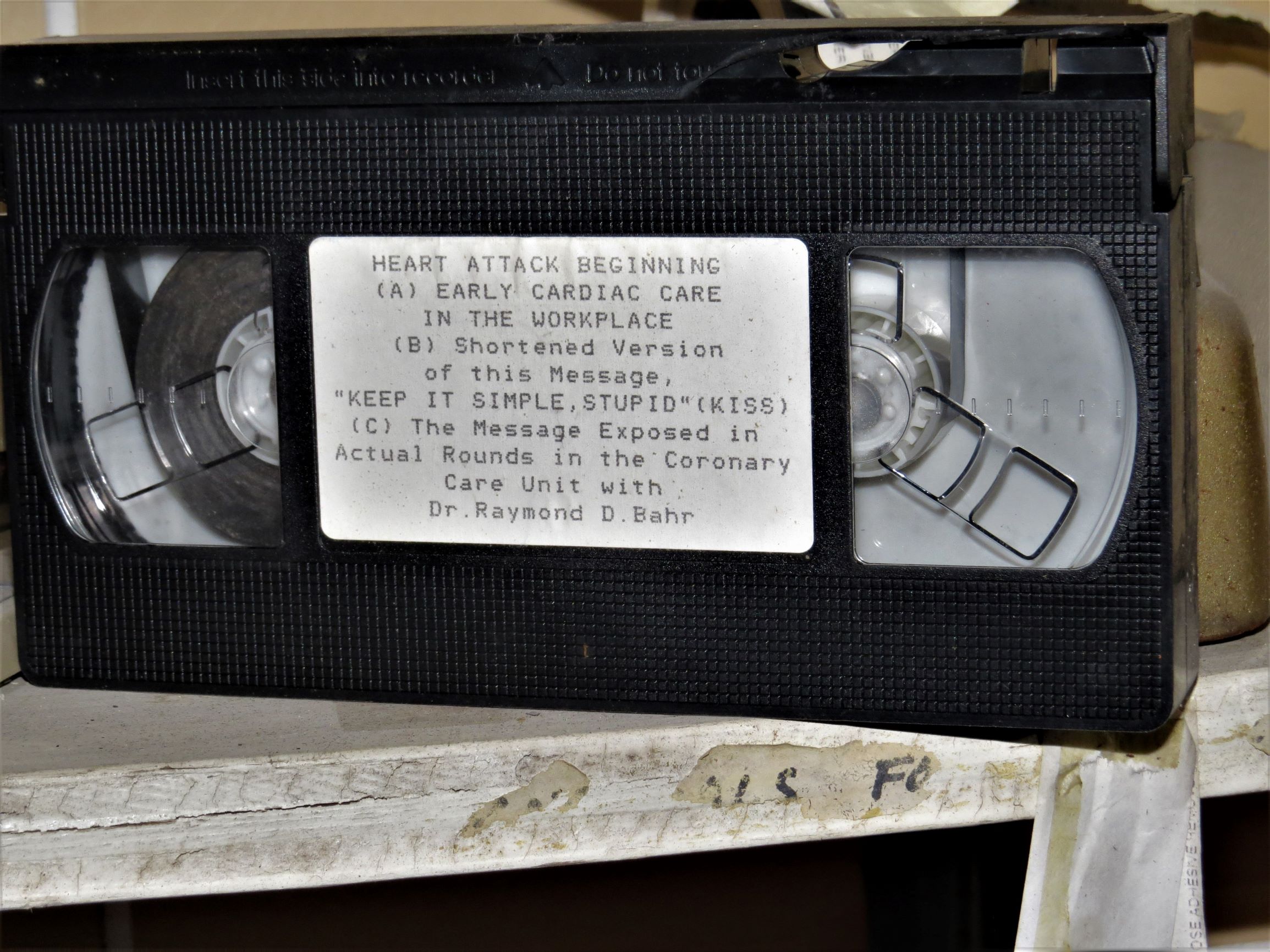
- Heart Procedure VHS Tape (Credit: Jaztin As-Saddiq)
-
- Inside Edge announces the purchase of Grant Hospital.(Credit: Jim Ginter)
-
- Inside Edge – March 1999 Edition (Credit: Jim Ginter)